What a brand really is, why it matters even for a small shop, and how to build one with a small budget.
Many small business owners think branding is only for large companies with big advertising budgets. In reality, every business already has a brand: it is what customers think and say about you when you are not in the room. The question is whether you shape it deliberately or leave it to chance.
What is a brand?
A brand is the overall impression your business leaves: your name, look, service, prices, reputation and the way you treat people. A logo is only a small part of it. Customers form their view from everything they experience, from your signboard and packaging to how quickly you return a call.
Why branding matters for a small business
- It makes you memorable. People remember a clear, consistent business and recommend it more easily.
- It builds trust. A professional, consistent presentation tells customers they can rely on you.
- It supports fair pricing. Businesses with a strong reputation can compete on quality and service, not only on price.
- It attracts the right customers. A clear identity helps the people who value what you offer find you.
Step 1: Decide what you stand for
Answer these questions in plain words:
- Who are my ideal customers?
- What problem do I solve for them?
- What do I do better than others, or differently?
- Which three words should customers use to describe my business?
The answers become the foundation of everything else, from the way you speak to customers to the products you stock.
Step 2: Choose a clear, easy name
A good business name is easy to say, spell and remember, and does not confuse customers or sound like a competitor. If you are choosing a new name, check that it is not already in use in your area or online, and that you can use it for social pages and a website address.
Step 3: Create a simple, consistent look
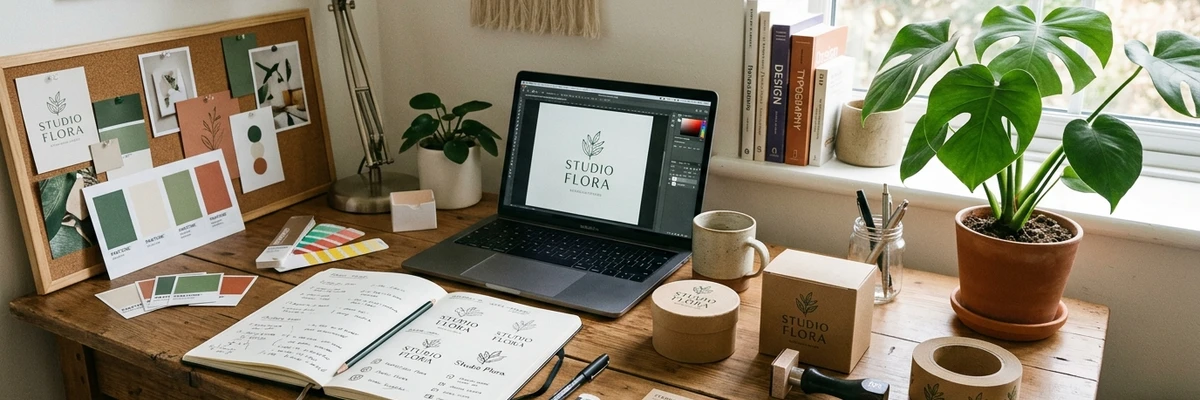
You do not need an expensive designer to start. Pick one or two colours, one or two fonts and a simple logo, and then use them everywhere: signboard, bills, visiting cards, bags, packaging, social media and your uniforms. Consistency matters more than complexity. If you do hire a designer, give them your answers from Step 1 so the result reflects your business.
Step 4: Make your premises and signboard work for you
For a local business, the shopfront is often the biggest advertisement. Make sure the signboard is clear and readable from the road, shows what you sell, and includes your phone number. Keep the entrance clean and welcoming.
Step 5: Deliver the experience you promise
A brand is built by how you behave, not by what you say about yourself. If you promise fast delivery, deliver fast. If you say you are friendly, make sure every member of staff is. Train your team on what your business stands for.
Step 6: Tell your story
People like to know who is behind a business. Share how you started, what you care about, and what makes your work different. Use photos of your team and your work. Honest, simple stories do more than polished slogans.
Step 7: Be visible and consistent online
Use the same name, logo, description and contact details on your Google Business Profile, social pages and directory listings, including the ABC business directory. Post regularly, and respond to comments and reviews quickly and politely.
Step 8: Protect your reputation
Ask satisfied customers for reviews, and handle complaints calmly and quickly. One well-handled problem can earn lasting loyalty. Where appropriate, consider registering your trademark so that others cannot use your name or logo; a professional can advise on this.
Keep it simple and keep going
You will not build a strong brand in a week. Start with a clear idea of what you stand for, present it consistently, deliver on your promises, and over months and years your name will come to mean something. Fellow business owners can be a great source of feedback, so share your ideas at one of our community events or get in touch to join the conversation.